
UGC & Content Creation
What to include in your UGC creator portfolio
Make it easy for a brand to understand your style, explore your work, and take the next step—with a portfolio that does more than look beautiful.
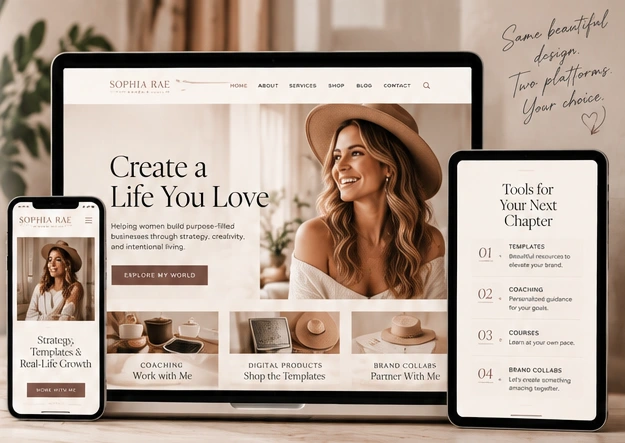
A brand visiting your portfolio should be able to answer three questions quickly: What do you create? Does your style fit what we need? How do we get in touch? Start there, and every section of your website has a clear job.
Lead with a clear introduction
Introduce yourself in a sentence that explains the kind of content you create and the brands or audiences you enjoy working with. “Lifestyle creator making warm, story-led product videos for home and wellness brands” says more than a general welcome. Use your own words and keep your claim specific to the work you actually do.
Pair that introduction with a strong photo or a piece of your work. Give visitors an obvious next step, such as viewing your portfolio or sending an inquiry.
Show a considered selection of your work
Choose examples that show your range without making someone watch everything you have ever made. You might include a product demonstration, an unboxing, a voiceover, a talking-to-camera video, and a lifestyle sequence. Choose the formats that reflect the services you want to offer.
Add a short label to each example: the format, your creative role, and the idea behind it. If you made a sample independently, label it as a concept or spec example. Do not present an unpaid sample as a commissioned brand partnership.
Explain what someone can hire you for
Your services section can outline the kinds of deliverables you offer, such as short-form videos, product photography, creative concepts, or ongoing content support. Help a prospective client understand what an inquiry should include.
If details vary by project, invite people to share their brief instead of squeezing every possible package into a crowded pricing table. You can discuss scope, usage, timing, and other project terms directly with the brand.
Make the inquiry process simple
Include an easy-to-find contact option and explain the information you need: brand name, campaign goal, deliverables, timeline, and a way to reply. Test your contact links on your phone as well as your computer.
You can also include an About page to add personality and explain your approach. A media kit can support your website, but visitors should not need to download a document just to find your email address.
Build a portfolio that feels like you
Keep your colors, typography, imagery, and tone consistent. Leave room around your videos and use clear labels so the work remains the focus. You do not need to sound like another creator to look professional.
Before sharing your link, ask someone to find a work example and your contact information without help. Their experience can reveal the next small improvement to make. A thoughtful template can give you the starting structure; your work, words, and point of view make it yours.