Personal Branding
What Should a Personal Branding Kit Include? A Beginner’s Guide
Discover the nine essentials of a personal branding kit, from colors and fonts to your website, social templates, media kit and digital resources.
If you’re building a personal brand from scratch, it can feel like there are a hundred different things you’re supposed to create before you can finally put yourself out there.
A logo.
A color palette.
A website.
Instagram graphics.
A media kit.
A lead magnet.
And somewhere in the middle of all of that, you’re still trying to figure out what your brand is actually supposed to look like.
The good news is that you don’t need to create everything at once.
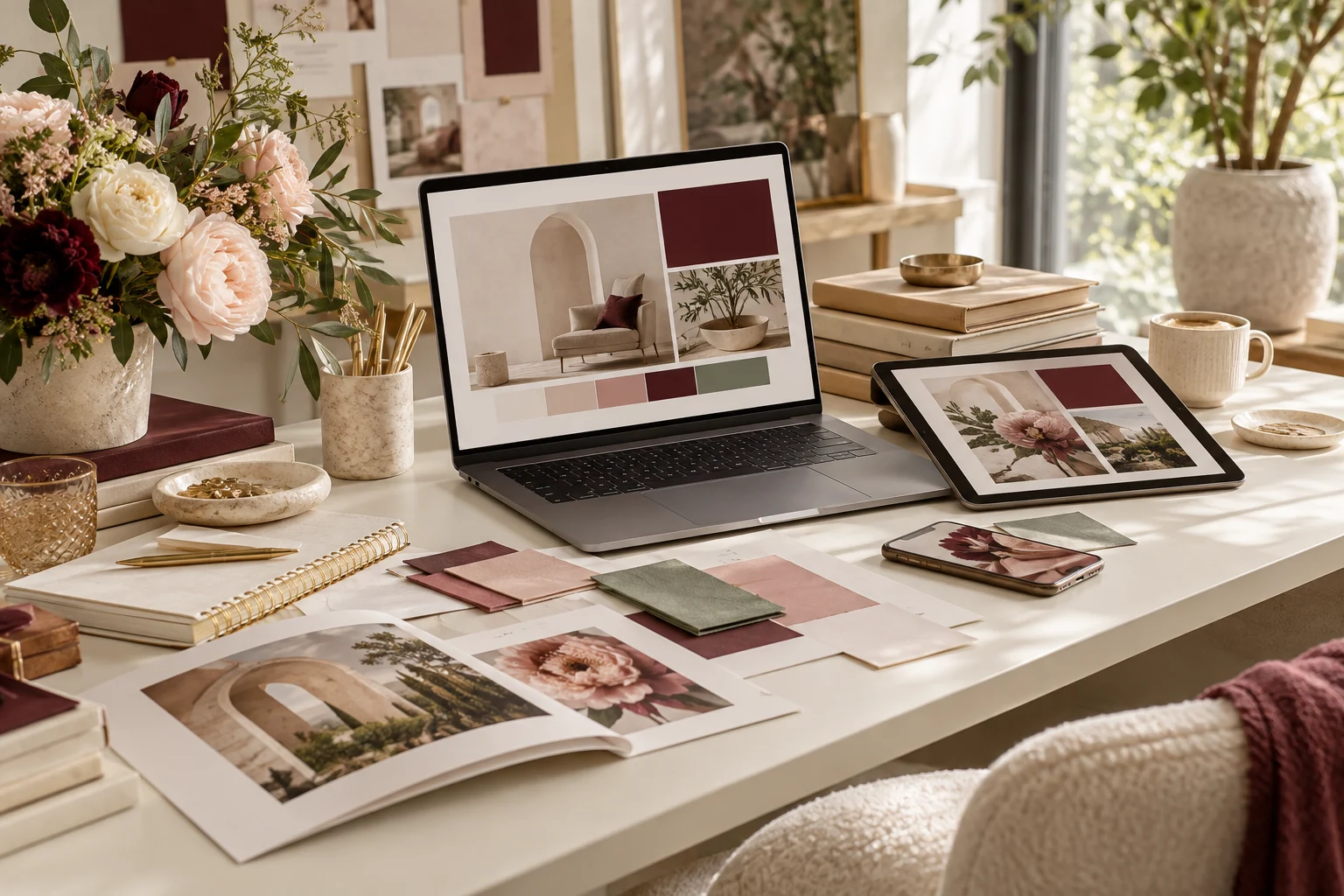
What you do need is a small collection of coordinated brand elements and templates that give your business a consistent, recognizable look. That collection is your personal branding kit.
Whether you’re becoming a content creator, UGC creator, coach, consultant, influencer or digital product seller, having your basic brand assets ready can make launching your online presence much easier.
Here’s what a personal branding kit should include.
What Is a Personal Branding Kit?
A personal branding kit is a collection of visual elements, templates and marketing materials that help you present yourself consistently online.
Think of it as the visual foundation of your personal brand.
Instead of choosing a different font every time you make an Instagram post or creating a completely new design whenever you need a workbook, your branding kit gives you a system to follow.
Your website, social media graphics, media kit, digital products and other content can all look like they belong to the same business.
That consistency is what helps a personal brand begin to feel established and recognizable.
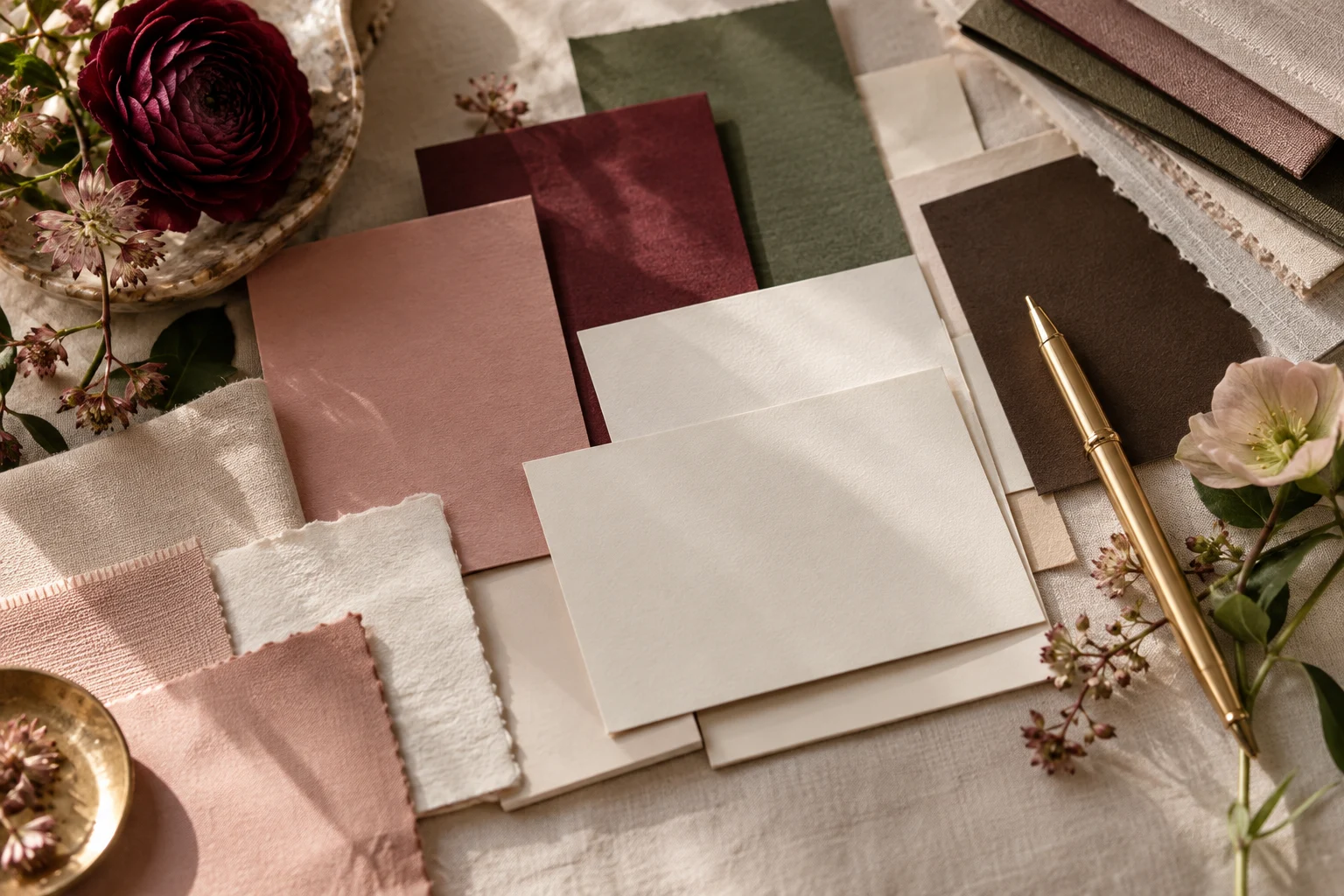
1. A Brand Color Palette
One of the first things your personal branding kit should include is a defined color palette.
You usually don't need ten different colors.
A simple palette might include:
- One primary brand color
- One or two supporting colors
- A neutral background color
- A dark color for text
- One optional accent color
The goal isn't simply to choose colors you personally like. Your colors should also support the feeling you want your brand to communicate.
A wellness coach may want something calm and natural.
A beauty creator might choose something polished and feminine.
A business consultant may want a more sophisticated or minimal look.
Once you choose your colors, save the exact HEX codes so you're using the same shades everywhere.
2. Brand Fonts
Your fonts are another important part of your visual identity.
For most personal brands, two fonts are enough.
You might choose one font for headlines and another for body text.
For example, you could pair an elegant serif font with a clean sans serif font. Or you might use a bold modern font for headings and something simple and highly readable for everything else.
Your fonts can then be used consistently across your:
- Website
- Instagram graphics
- Pinterest pins
- Workbooks
- Lead magnets
- Media kit
- Digital products
- Email graphics
The more consistently you use them, the more recognizable your content begins to become.
3. A Personal Brand Website
Your website is one of the most valuable pieces of your personal brand.
Social media platforms are helpful for discovering and connecting with people, but your website gives your brand a permanent home online.
At minimum, a personal brand website should explain:
- Who you are
- What you do
- Who you help
- What you offer
- How someone can work with you
- How someone can contact you
Depending on your business, your website may also include a portfolio, shop, services page, blog or media kit.
A content creator may use her website to showcase brand collaborations.
A coach may use it to describe coaching packages.
A digital product seller may use it to direct visitors to her shop.
A UGC creator may use it as an online portfolio.
Your website should visually match the rest of your brand so someone moving from your Instagram account to your website feels like they are still interacting with the same business.

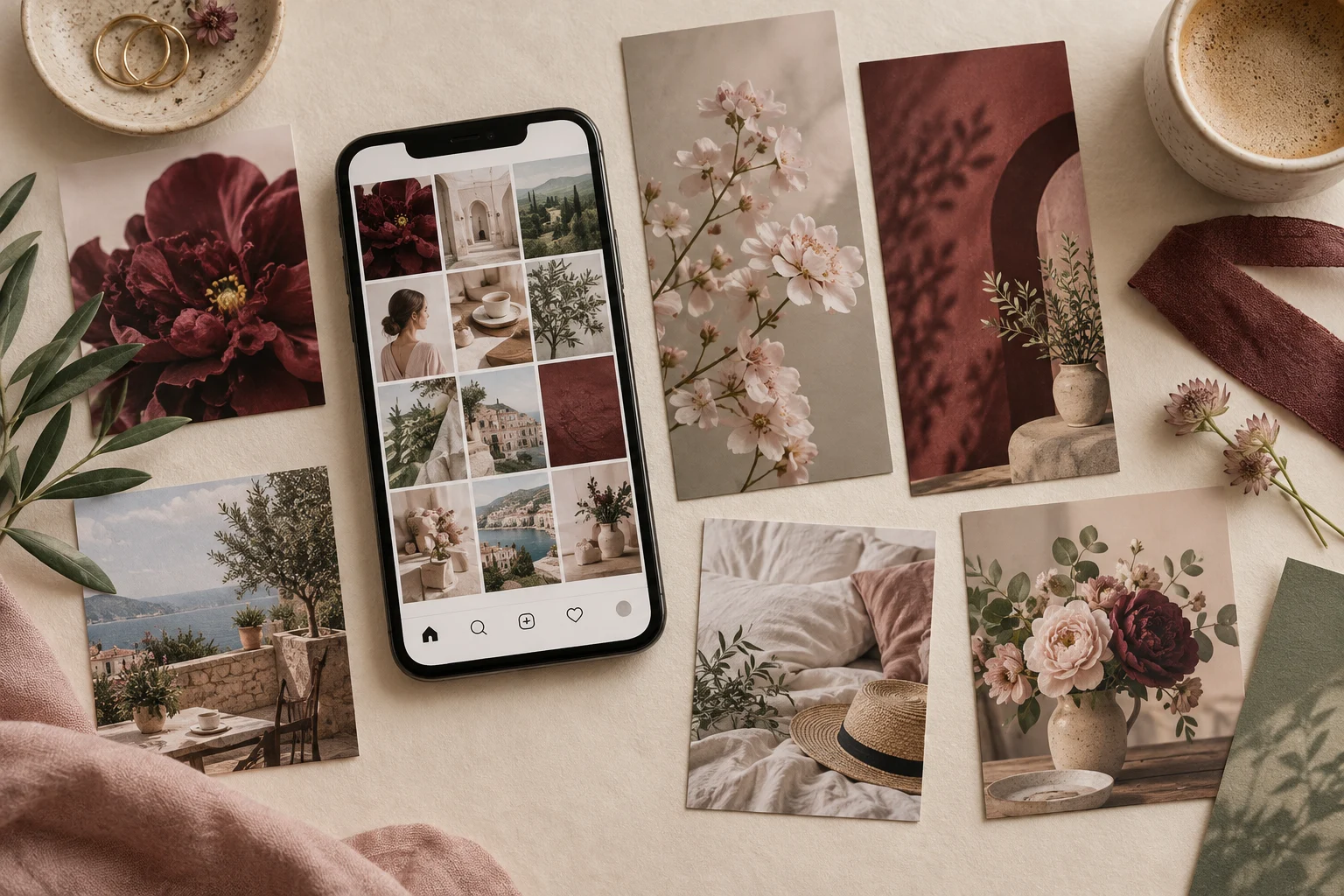
4. Instagram Templates
You don't necessarily need dozens of social media templates when you're starting out.
A small collection of reusable Instagram templates can be enough.
Consider creating templates for things like:
- Educational posts
- Tips
- Quotes
- Announcements
- Testimonials
- Promotions
- Carousel posts
- Calls to action
Instead of designing every post from scratch, you can replace the text and images while keeping the overall design consistent.
This not only saves time—it helps your Instagram feed develop a recognizable visual style.
5. Pinterest Pin Templates
If Pinterest will be part of your marketing strategy, your personal branding kit should also include Pinterest templates.
Pinterest is very visual, and having reusable templates makes it much easier to create multiple fresh pins for your blog posts, products or services.
Your pin designs should use the same colors and fonts as the rest of your brand while still allowing enough variety that every graphic doesn't look identical.
A small set of Pinterest templates can be reused again and again with different:
- Photos
- Headlines
- Keywords
- Blog topics
- Product promotions
That gives you the ability to create fresh content without redesigning your pins every day.
6. A Media Kit or Services Guide
If your personal brand involves working with clients or brands, a professional media kit or services guide can be incredibly helpful.
For creators and influencers, a media kit might include:
- A short bio
- Audience information
- Content examples
- Previous collaborations
- Services offered
- Contact information
- Optional rates or packages
For coaches or consultants, the same type of document may function more like a services guide.
It could explain:
- Who you help
- Your services
- Your process
- Packages
- Testimonials
- Frequently asked questions
Having this document ready gives you something polished and professional to send when someone asks about working with you.
7. A Lead Magnet Template
If you're building an email list, you'll eventually need something valuable to offer people in exchange for their email address.
That's where a lead magnet comes in.
A lead magnet might be a:
- Checklist
- Mini guide
- Workbook
- Planner
- Resource list
- Template
- Cheat sheet
Your personal branding kit can include a customizable lead magnet template so you don't have to design one from scratch every time you want to create a new free resource.
Because the template already uses your brand colors and fonts, anything you create will automatically match the rest of your business.
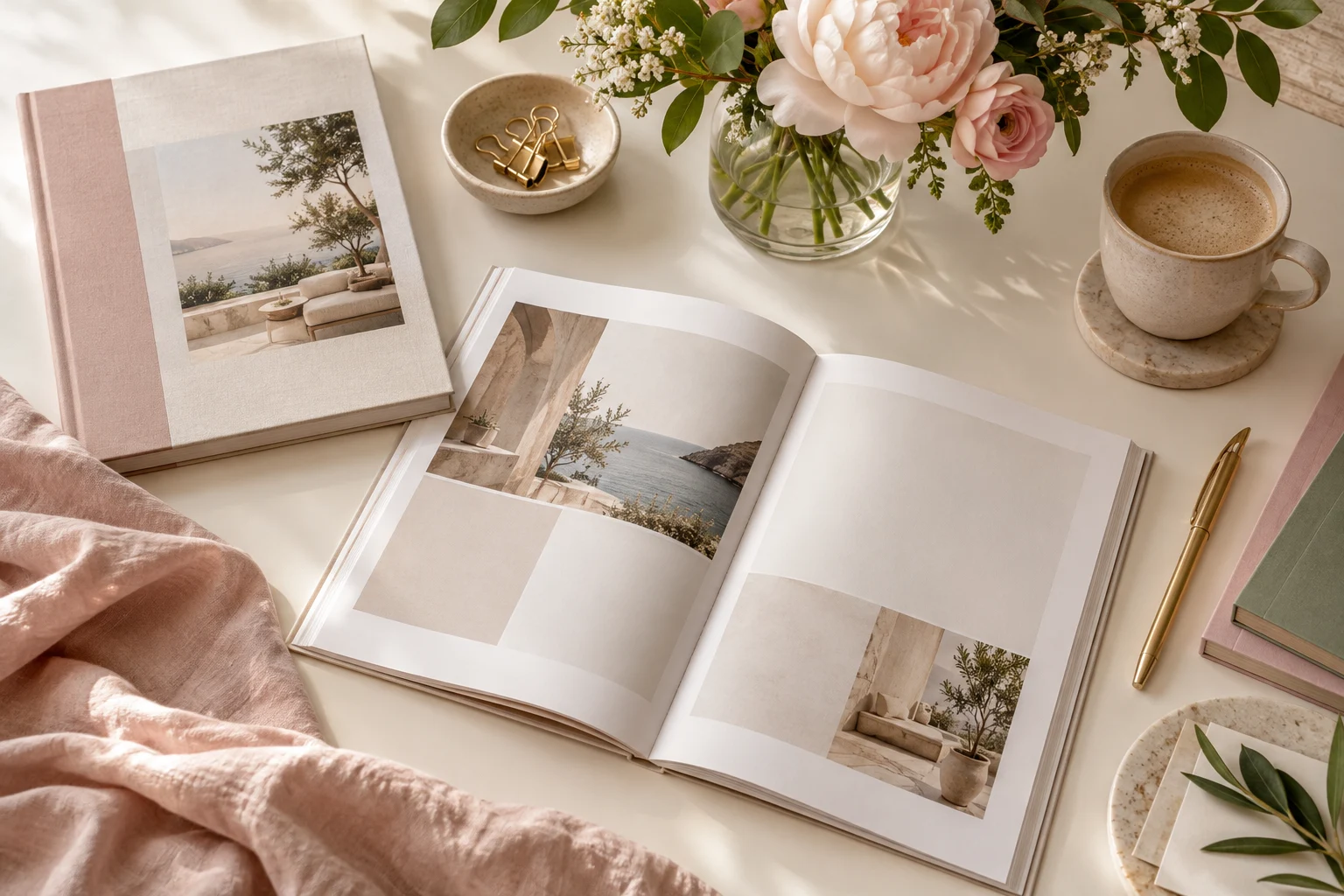
8. A Workbook or Digital Product Template
If you plan to sell digital products, teach courses or offer coaching, having a reusable workbook template can save you a tremendous amount of time.
You can use the same basic design for:
- Workbooks
- Ebooks
- Guides
- Course materials
- Planners
- Client resources
- Digital downloads
Instead of worrying about layout and design every time you create something new, you can focus on the actual content.
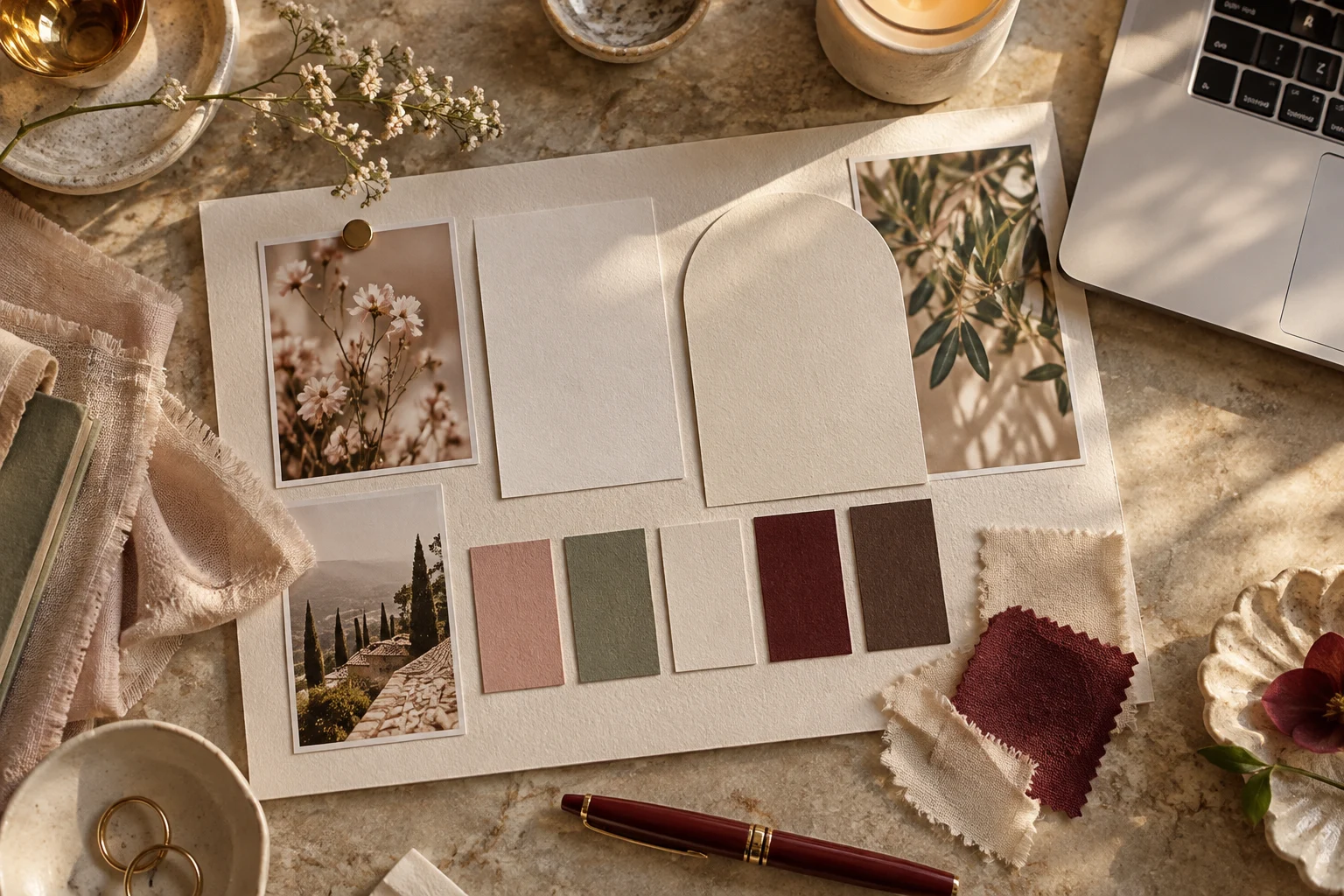
9. A Simple Brand Style Guide
Finally, all of these pieces should be documented somewhere.
Your brand style guide doesn't need to be complicated.
A one-page reference sheet may be all you need.
Include:
- Your brand colors and HEX codes
- Your fonts
- Logo variations, if you use a logo
- Photography style
- Graphic style
- Basic design guidelines
This becomes your visual reference whenever you're creating something new.
It also makes it much easier if you eventually hire a virtual assistant, social media manager, website designer or graphic designer because you can quickly show them how your brand should look.
You Don't Need Everything Before You Start
One of the easiest ways to delay launching a personal brand is convincing yourself that everything has to be perfect first.
It doesn't.
You don't need 100 Instagram posts prepared.
You don't need a giant website.
You don't need twenty different templates.
And you definitely don't need to have your entire business figured out.
Start with the essentials.
Choose your colors.
Choose your fonts.
Create a simple website.
Build a few reusable templates.
Then grow your branding system as your business grows.
A personal brand isn't something you create once and never touch again. It develops alongside your business.
The Biggest Advantage of Using a Coordinated Personal Branding Kit
The biggest benefit isn't simply that everything looks pretty.
It's that you don't have to make the same design decisions over and over again.
You already know your colors.
You already know your fonts.
You already have a website layout.
You already have Instagram templates.
You already have a media kit design.
You already have layouts for your digital products.
Instead of spending hours trying to decide what everything should look like, you can focus on actually building your brand, creating content and growing your business.
And when everything works together visually, your brand begins to look much more established—even if you're just getting started.
Start With a Brand That Can Grow With You
Your first personal brand doesn't have to be complicated.
It simply needs a consistent foundation.
A thoughtfully created personal branding kit gives you that foundation while still leaving room for your business to evolve.
Whether you eventually become a full-time creator, coach, influencer, UGC creator, consultant or digital product seller, the same basic branding system can continue growing with you.
Start simple.
Create consistency.
And build from there.